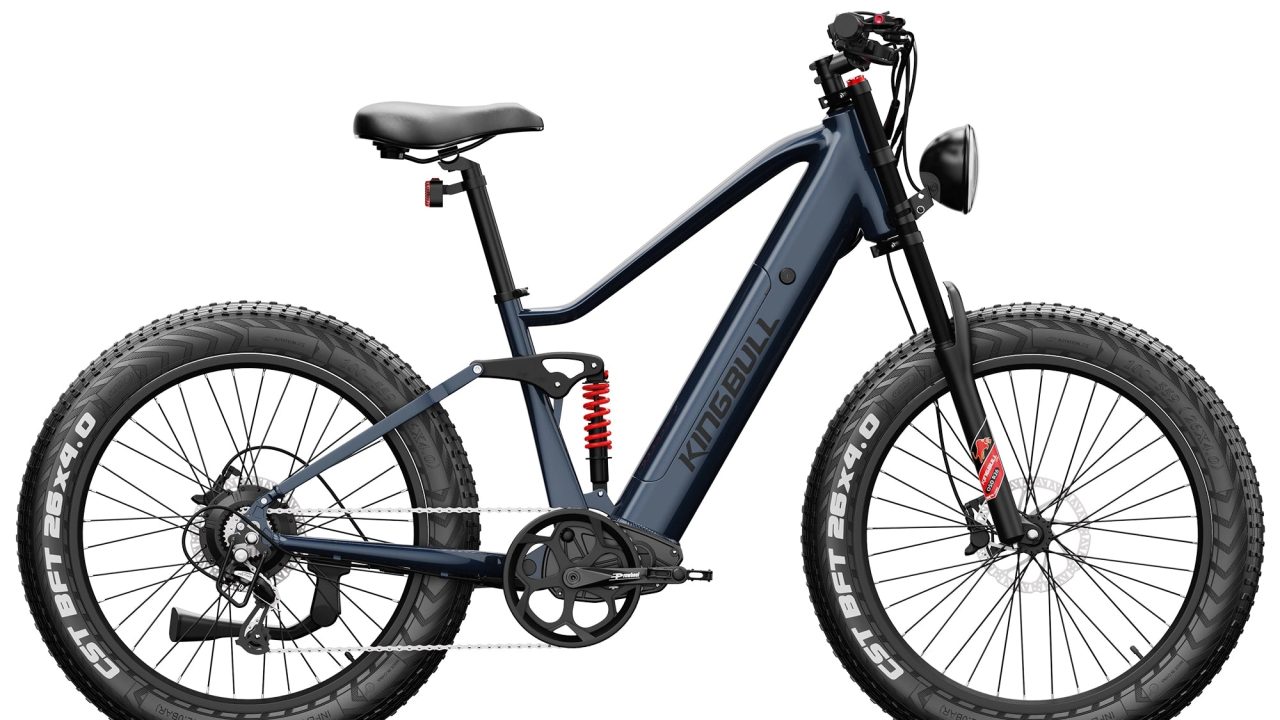
Our quick verdict: The Kingbull Rover 2.0 is a compelling all-terrain electric mountain bike for riders who want off-road capability without moving into a higher-priced category. Based on the available product information, its strongest features are a 1300W peak motor, claimed speeds up to 28 mph, 26-inch by 4-inch fat tires, full suspension, and a 7-speed drivetrain. At a listed price of $1,199, it appears designed as a value-focused option rather than a premium trail machine.
This is an evidence-based kingbull rover 2.0 review, not a first-hand test. Real-world range, ride comfort, braking performance, battery details, and long-term durability are not specified in the supplied product information, so prospective buyers should confirm those points before ordering.
For buyers researching kingbull rover 2.0 review, this is one of the details worth checking before purchase.
Key Takeaways
- 1300W peak motor and claimed speeds up to 28 mph.
- 26-inch by 4-inch fat tires are aimed at rough and uneven surfaces.
- Full suspension should help the bike handle rocky trails more comfortably than a rigid design.
- A 7-speed drivetrain adds gearing flexibility for changing terrain.
- The listed $1,199 price makes it an appealing value candidate, subject to current retailer terms.
- Battery capacity, estimated range, weight, warranty, and braking specifications are not provided here.
Kingbull Rover 2.0 Overview
The Kingbull Rover 2.0 is positioned as an all-terrain, off-road electric bike. Its design combines a high-output motor with wide fat tires and full suspension, giving it a clear focus: riders who want more stability and cushioning on challenging surfaces than a conventional commuter ebike typically provides.
The bike also includes a 7-speed drivetrain. That matters because electric assistance does not eliminate the need for useful gearing. Lower gears can be helpful on climbs, while higher gears may feel more natural when riding faster on suitable private roads or trails. The available information does not specify the exact gear range or component brands.
When evaluating kingbull rover 2.0 review, consider how this point fits your actual use case.
Kingbull describes the Rover 2.0 as capable of speeds up to 28 mph. Because top speed can depend on settings, rider weight, terrain, battery charge, and local regulations, buyers should treat this as a stated maximum rather than a guaranteed everyday riding speed.
Check the current Kingbull Rover 2.0 price
This also matters when comparing kingbull rover 2.0 review with similarly priced alternatives.

Important Features and Use Cases
Motor and speed potential
The 1300W peak motor is the Rover 2.0’s headline performance feature. Peak wattage is not the same as continuous output, but it indicates that Kingbull is targeting stronger acceleration and improved assistance on demanding terrain. This could suit riders who regularly face inclines, loose surfaces, or off-road routes.
Fat tires and full suspension
The 26-inch by 4-inch tires provide a broad contact patch compared with narrower ebike tires. That can help the bike feel more planted on uneven ground, although wide tires may also add rolling resistance and weight. Full suspension is another important advantage for rocky trails because it is intended to absorb impacts at both ends of the bike.
For a practical kingbull rover 2.0 review decision, verify this detail against the manufacturer information.
These features make the Rover 2.0 more relevant to gravel paths, dirt routes, and rough recreational trails than to riders seeking the lightest possible city bicycle. However, the product information does not establish that it is suitable for every trail, weather condition, or organized race.
Seven-speed drivetrain
A 7-speed drivetrain gives riders more control over cadence and climbing effort than a single-speed setup. It should be useful when a route alternates between flat sections, hills, and loose terrain. The drivetrain is best viewed as a practical versatility feature rather than a guarantee of effortless climbing.
Pros and Cons
Pros
- Strong 1300W peak motor for an off-road-oriented ebike.
- Claimed top speed of up to 28 mph.
- Wide 26-inch by 4-inch fat tires for stability on rough surfaces.
- Full suspension is well matched to rocky and uneven trails.
- 7-speed gearing adds flexibility for varied terrain.
- Listed price of $1,199 supports the bike’s value-focused positioning.
Cons
- Battery capacity and estimated range are not provided in the available facts.
- Weight, braking specifications, warranty, and included equipment are unspecified.
- Fat tires and full suspension can make an ebike less portable than a lighter commuter model.
- The 28 mph claim may not be appropriate or legal on every path or road.
- Product information alone cannot confirm long-term reliability or ride quality.
Who Should Buy the Rover 2.0?
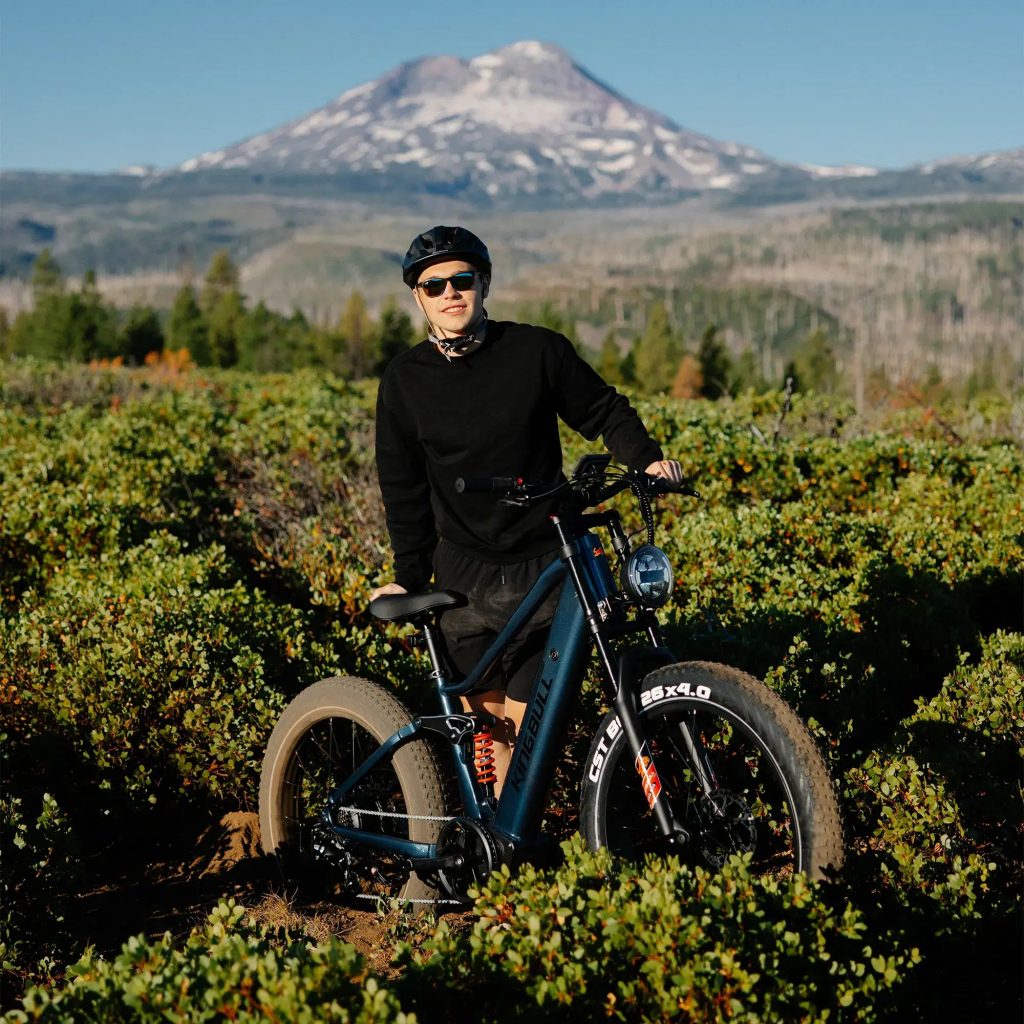
The Rover 2.0 makes the most sense for riders prioritizing traction, suspension, and off-road versatility. It may appeal to recreational trail riders, property owners who travel across uneven ground, and commuters whose routes include gravel or poorly maintained surfaces. Its motor and fat-tire format also suit buyers who prefer a more substantial, adventure-oriented ebike.
It may be less suitable for someone who needs to carry an ebike upstairs, fit it into a small vehicle, or maximize battery range above all other considerations. Since the product facts do not include weight or battery capacity, those buyers should request the missing details before making a decision.
If you are comparing Kingbull models for a different purpose, our Kingbull Voyager 2.0 review may be useful for evaluating a cargo-focused alternative.
Price and Value
The listed price is $1,199 USD, with the product marked in stock in the supplied information. At that price, the Rover 2.0 presents an attractive combination of a peak 1300W motor, full suspension, fat tires, and seven-speed gearing. Those features give it a strong value argument for shoppers specifically seeking an off-road electric bike.
Value depends on more than headline specifications, however. Before purchasing, confirm the current price, shipping terms, battery details, warranty coverage, assembly requirements, replacement-part availability, and local rules for electric bikes. Those details are not supplied here and can materially affect ownership costs.
Final Verdict
The Kingbull Rover 2.0 looks like a capable, aggressively priced all-terrain ebike on paper. Its 1300W peak motor, claimed 28 mph speed, 26-inch by 4-inch tires, full suspension, and 7-speed drivetrain create a convincing package for rough recreational riding and mixed surfaces.
Our conclusion is positive but qualified: this is a strong value candidate for buyers who want off-road-oriented hardware at a listed $1,199 price, provided the unspecified battery, weight, braking, warranty, and range details meet their needs. Confirm those points and local legality before using the purchase link.
Visit the Kingbull Rover 2.0 product page
FAQs
How fast is the Kingbull Rover 2.0?
Kingbull lists speeds up to 28 mph. Actual speed can vary with conditions, settings, rider load, and applicable regulations.
Is the Rover 2.0 suitable for off-road riding?
It is specifically marketed as an all-terrain off-road electric bike and includes fat tires plus full suspension. Trail suitability will still depend on the route and local rules.
How much does the Kingbull Rover 2.0 cost?
The supplied product information lists the price at $1,199 USD. Check the retailer page for the current price and purchase terms.
What information should I confirm before buying?
Ask about battery capacity and range, bike weight, brakes, warranty, assembly, shipping, replacement parts, and legal classification in your area.
Compare more products, software and current offers before making your next purchase.